- The Road to Autonomy
- Posts
- China’s Autonomous Belt and Road Initiative
China’s Autonomous Belt and Road Initiative
This Week in The Autonomy Economy

The Road to Autonomy
December 28, 2025

This Week in The Autonomy Economy is presented by Koop, a specialist insurance provider focused on robotics and autonomous vehicles.
This week in the Autonomy Economy, China is changing the narrative, Waymo has surpassed 500,000 airport rides, and Uber continues to lean into their new hybrid networks narrative.
As we prepare to turn the calendar to 2026, the final month of the year became a battle of narratives, as both countries and companies sharpened their messaging to meet an ever-changing market.
In China, we are seeing Beijing slam on the brakes on the rapid deployment of vehicles equipped with highly advanced versions of ADAS (automated driving systems). The government’ crackdown follows high-profile incidents involving a Xiaomi SU7 car when Xiaomi Pilot was engaged, including a tragic March 2025 crash that claimed three lives, initially suppressed by government censors, and a subsequent highway collision in the Anhui Province that gained public traction before it could be scrubbed.
When faced with potential social unrest, the state’s response is to squash it at the source. China’s Ministry of Public Security recently issued a blunt warning, noting that "the risky behavior of playing with mobile phones, sleeping, chatting, and eating after turning on the assisted-driving function not only violates road traffic safety laws and regulations but also poses a serious threat to the safety of other road users." The subtext is clear, at home, "autonomous" features are being strictly recategorized as mere assistance, and the driver remains the responsible party.
While China enforces safety and social control at home, it is simultaneously accelerating the exportation of autonomy in the form of robotaxis and humanoid robots. What the West often misses is China’s grander ambition. China wants to own and control the "operating system" of the future.
By enforcing strict safety at home while rapidly exporting robotaxi fleets abroad, China is processing global data and capturing market share under the radar of Western media in a strategy that we call the Autonomous Belt and Road Initiative.
China’s Autonomous Belt and Road Initiative allows Chinese champions such as Baidu, Pony.ai, Momenta and WeRide to use state-backed capital to underprice Western competitors, securing exclusive operating licenses and embedding their operating systems into foreign countries while US companies remain bogged down in domestic regulatory fragmentation with limited global expansions.
This leads to the big question for 2026 and beyond; When will Chinese robotaxis have their "Huawei moment" and who will be impacted by that fall out?
2026 is only three days away, and it is going to be a year, one with great change and great scale. Just as we were here in 2025, we will be here every week sharing our insights into the autonomy economy along with our The Road to Autonomy and Autonomy Markets podcasts. And perhaps, something new is coming as well.
2026 is going to be a landmark year in the autonomy economy and always pay attention to the politics and the ramifications of geo-political dealmaking.
Have a wonderful New Year’s Eve and we will see you in 2026.
👔The Road to Autonomy provides market intelligence and strategic advisory services to institutional investors and companies, delivering insights needed to stay ahead of emerging trends in the autonomy economy.
Discover how our market intelligence and strategic advisory services can empower your next move by sending an email to [email protected].
One-Time Briefings • Quarterly Subscriptions • Bespoke Advisory Services
Companies Mentioned: $GOOGL ( ▲ 1.17% ) , $UBER ( ▲ 0.15% )

WHAT’S MOVING THE MARKETS | AUTONOMOUS VEHICLES
China’s Changing Autonomy Narrative
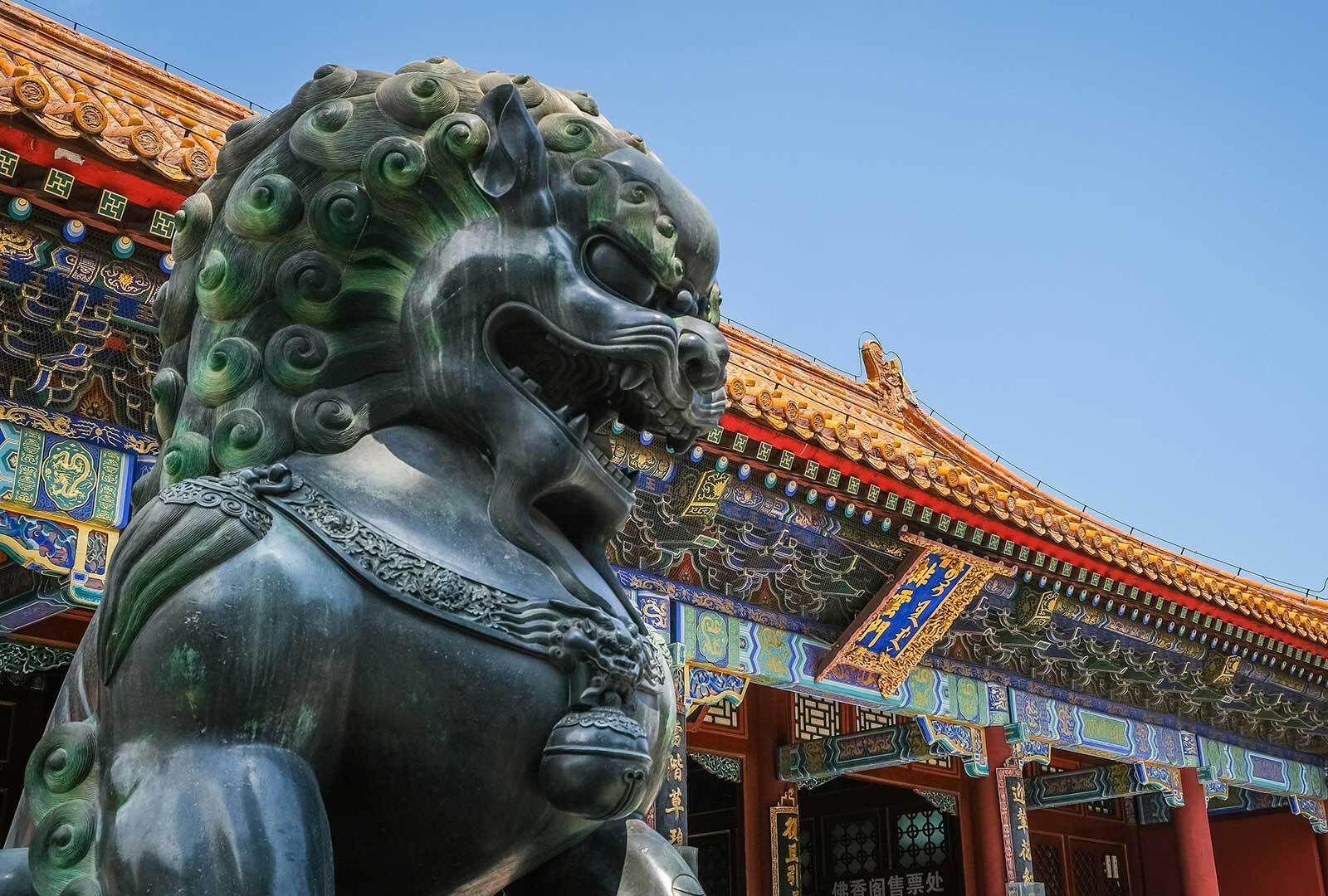
Beijing, China | Source: Pexels
While the Western media is fixated on Waymo and Tesla’s upcoming safety-attendant out robotaxi launch in Austin, a much more deliberate geopolitical divergence is unfolding in the East.
China is effectively hitting the brakes on the mass rollout of highly advanced automated driving systems (ADAS) which the Government is classifying as SAE Level 3, while simultaneously slamming on the gas for global robotaxi exports.
The media appears to be asleep at the wheel regarding the scale of this shift. This isn't just a pivot; it is the birth of the Autonomous Belt and Road Initiative.
China is taking the same strategies that built global ports and railways over the last decade and applying them to autonomous vehicles. The goal is simple: China wants to be the world’s largest supplier and operator of robotaxis, and they are prepared to fund their way to that reality.
By deploying commercial fleets in the Middle East, Southeast Asia, UK and Europe, China isn't just selling cars, it is exporting the operating system of the city of the future. Control the operation system, control what the user sees and experiences.
This "Autonomy Diplomacy" allows Chinese champions such as Baidu, Pony.ai, and WeRide to use state-backed capital to underprice Western competitors. They are securing exclusive operating licenses and embedding their operating systems into foreign countries, while US companies remain bogged down in domestic regulatory fragmentation with limited overseas expansions.
The recent December 2025 announcement of both Uber and Lyft partnering with Baidu to bring the Apollo Go RT6 to London is a clear signal that the "demand generation" theory is a trap.
For years, Uber argued that robotaxis needed their network to find customers. Instead, we are seeing the opposite, Uber and Lyft are becoming the "domestic face" for subsidized Chinese technology that is looking to bypass the political friction of entering Western markets.
The premise is clear, China is changing the narrative. They are processing the safety and social risks of consumer autonomy at home, while aggressively processing global data and market share abroad.
While the West debates the ethics of the trolley problem, China is busy paving the road and owning the network that runs on it. For the American TNCs, relying on this subsidized supply might fill the map today, but it puts them potentially in the center of a geopolitical firestorm tomorrow.
To truly compete, they must move beyond being mere aggregators and consider owning the stack once again. Or they might just become beholden to the whims of China in non-U.S. markets.
Our Take: Always pay attention to the politics and the ramifications.
Companies Mentioned: $UBER ( ▲ 0.15% ) , $LYFT ( ▲ 0.23% ) , $BIDU ( ▲ 1.79% ) , $WRD ( ▲ 5.27% ) , $PONY ( ▲ 4.91% )
ADVOCATING FOR THE AUTONOMY ECONOMY | SPONSORED

Automation and autonomy will strengthen the economy, create jobs, and reduce inflation. Council for Economic Resilience is dedicated to promoting the future of autonomy and automation for the benefit of the American public.
Council for Economic Resilience, Inc. is a 501(c)4 Advocacy Group
PIQUING OUR INTEREST
Waymo Surpasses 500,000 Airport Rides The consistency of the Waymo curbside experience is becoming a differentiator that will place material pressure on Uber and Lyft’s high-value airport operations. With only two airports currently online, PHX and SJC, Waymo has already surpassed 500,000 airport rides. As Waymo scales airport operations, the incumbent advantage at the curb begins to erode. Just as taxis were displaced by rideshare, Uber and Lyft now face their own disruption event at airports.
Tesla Ramps up Cybercab Testing in Austin Over the last few days, multiple photos and videos have appeared on X showing Tesla's increased Cybercab testing on public roads in Austin.
📰 Before these stories were featured here, they were available on X. Follow @RoadToAutonomy today to stay up-to-date on the latest news and developments shaping the autonomy economy.
SOCIAL BUZZ | HYBRID NETWORKS
From Demand Generation to Hybrid Networks
The latter half of 2025 has been a masterclass in evolving messaging to match a shifting market reality. At the start of the year, Uber championed its ability to generate demand for robotaxis, positioning itself as the indispensable partner for any autonomous vehicle fleet. But as autonomy accelerated and the market matured, Uber pivoted. Following Lyft’s long-held strategic narrative, they have now fully embraced the "hybrid network" model.
In our view, this shift validates Lyft’s strategy under CEO David Risher. But it also raises fundamental questions that the market, blinded by Uber’s 34.1% YTD return is largely ignoring.
The "demand aggregation" thesis is being tested, and potentially broken, by Waymo and soon Tesla. Both companies are proving that companies with strong brands, engineering prowess, and healthy balance sheets can generate their own demand.
They do not need an intermediary. As these vertically integrated companies scale, they will inevitably eat into the rideshare market, leaving the aggregators to fight for potentially lower fares.
This leaves Uber and Lyft in a precarious position, becoming demand generators for smaller autonomous vehicle companies or Chinese robotaxi providers looking to enter Western markets.
While this fills the supply gap, it comes with massive exposure. Reliance on Chinese autonomous vehicle tech potentially places both TNCs in the center of a future geopolitical firestorm.
Ultimately, Uber faces a reckoning. With its massive market cap and balance sheet, relying solely on third-party supply is no longer a safe bet. To truly compete, Uber may need to vertically integrate again, effectively restarting ATG. Whether through an acquisition of Nuro or Wayve, owning the stack might be the only way to survive the coming disruption.
Our take: The next three years are going to be a big test for Uber as Waymo and soon Tesla begin competing head-to-head in markets around the world. If Uber’s market share begins to decline in those regions, investors will begin to ask the question; Is the hybrid network the right strategy?
Companies Mentioned: $UBER ( ▲ 0.15% )
Uber is currently ranked #1 with a bullish outlook on the AUTONOMY LEADERBOARD in the software platforms category.
THE ROAD TO AUTONOMY PODCAST
Automating Logistics Yards with Computer Vision
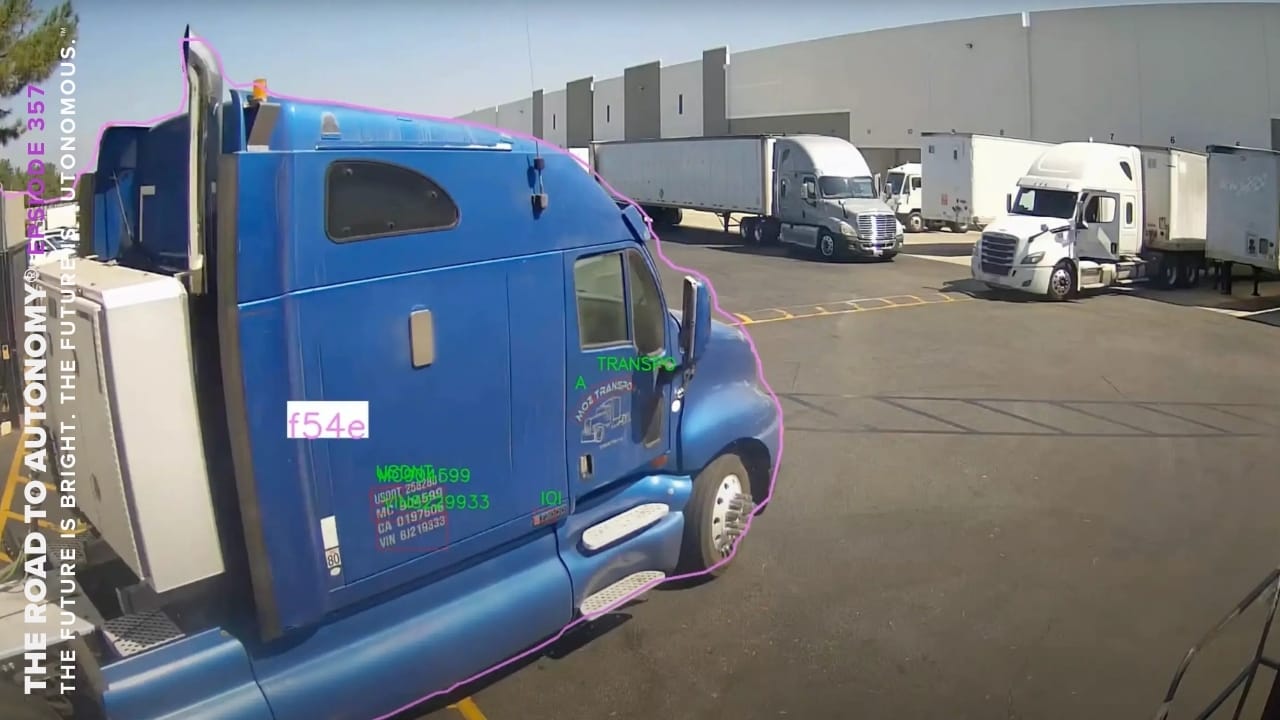
(December 23, 2025) Darin Brannan, CEO & Co-Founder of Terminal Industries joined Grayson Brulte on The Road to Autonomy podcast to discuss transforming the logistics yard into a fully automated environment using computer vision and agentic AI.
Autonomy Economy Market Intelligence
Now that you have read an issue of This Week in the Autonomy Economy, discover how The Road to Autonomy's institutional-grade market intelligence platform can help you cut through the media hype cycles and provide you with ongoing actionable intelligence based on technical reality and commercial viability.
Send an email to [email protected] to go beyond the headlines and access the strategic intelligence your institution needs to navigate the autonomy economy.
One-Time Briefings • Quarterly Subscriptions • Bespoke Advisory Services
The Road to Autonomy LLC provides market intelligence and strategic advisory services for informational and educational purposes only. All information, opinions, and forecasts are current as of the date of this newsletter's publication and are subject to change. We are not a registered investment adviser, broker-dealer, or financial planner, and do not provide financial, economic, legal, accounting, or tax advice or recommendations. Nothing in our content, including the AUTONOMY LEADERBOARD, constitutes investment advice or a recommendation to buy or sell any security or financial product, and should not be relied upon to evaluate any potential transaction. All investments involve risk, including the potential loss of principal. All content is provided 'as is' without warranties of any kind, either express or implied. This newsletter may contain links to third-party websites; such links are provided for convenience only and we do not endorse or assume responsibility for their content. Unauthorized reproduction, recording, or distribution of this content without prior written consent from The Road to Autonomy LLC is strictly prohibited.